April 2026 · Highlight · 7 Alzheimer's papers at ICLR 2026 Rio — RL · Causal · NAD+ · Biomarkers View publications →
Open-Source Alzheimer's Research

Scientists Reversed Alzheimer's in Mice. We're Building the Bridge.

The gap between a mouse study and a human therapy isn't just biology — it's tooling. We build AI infrastructure backed by 20+ peer-reviewed bio papers at NeurIPS, AAAI & Stanford. Mission-driven. Peer-reviewed. Built to last.

"My mother died from Alzheimer's. My sister was diagnosed 18 months ago. This isn't a research interest — it's a race against the clock I can hear ticking in every phone call home."

David Scott Lewis

Founder, The Reversal Initiative · Former META EVP · AI Researcher Since the 1990s · 20+ Peer-Reviewed Bio Papers

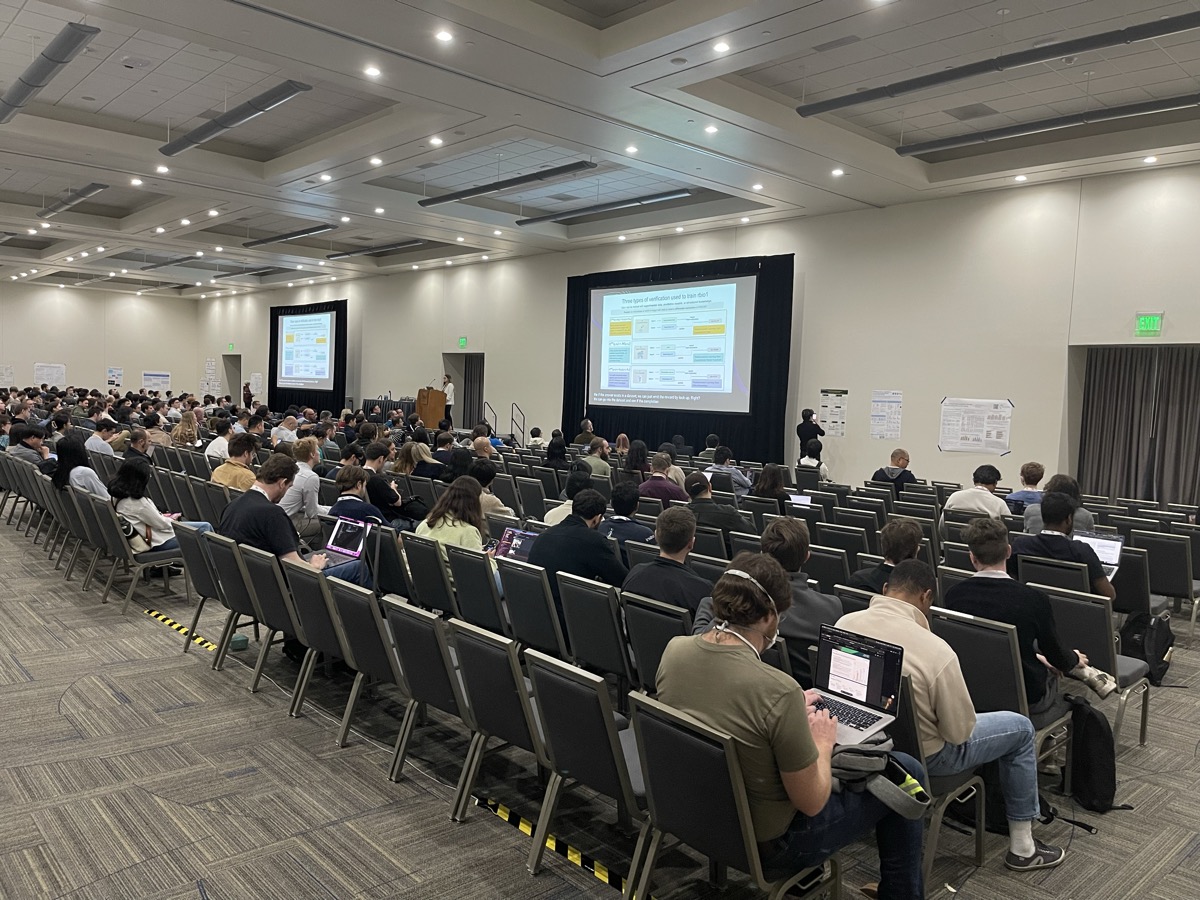
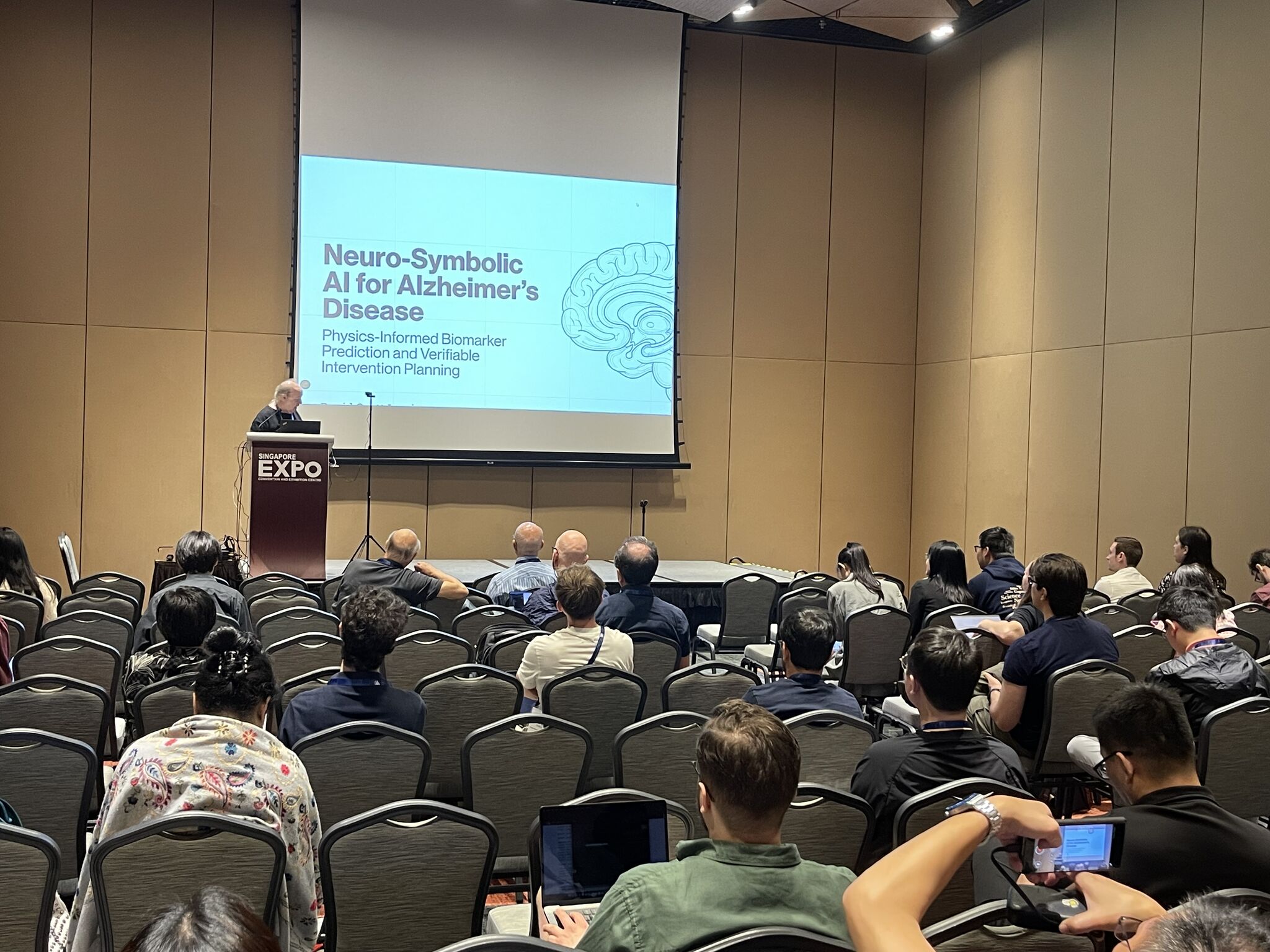
David Scott Lewis delivering oral presentation on Neuro-Symbolic AI for Alzheimer's Disease at AAAI-26, Singapore Expo
AAAI-26 · Singapore · Oral Presentation

"Neuro-Symbolic AI for Alzheimer's Disease" — Physics-Informed Biomarker Prediction & Verifiable Intervention Planning

Former META EVP · 22+ Bio Papers · AI Since the 1990s
Live from the world's top AI venues

Our Team at the World's Most Selective Venues

55M
People living with dementia worldwide
0
Open AI tools for Alzheimer's drug design
10+
Druggable targets in the NAD+ pathway
37+
Pipeline modules built and validated
20+
Peer-reviewed bio papers at top conferences
30+
Years of AI research experience

Three Pillars of Open Drug Discovery

Every tool we build is peer-reviewed, and designed so any lab on Earth can use it — not just those with billion-dollar budgets.

SCREEN Targets

AI-driven target identification across the NAD+ biosynthesis pathway. Our models evaluate binding affinity, selectivity, and blood-brain barrier penetration to prioritize the most promising intervention points.

BUILD Molecules

Generative chemistry pipelines that design novel neuroprotective compounds. Each candidate is optimized for drug-likeness, synthesizability, and predicted efficacy against validated Alzheimer's mechanisms.

VERIFY Safety

Multi-scale toxicity prediction before any compound reaches a living cell. Off-target binding, hepatotoxicity, cardiotoxicity, and mutagenicity are all flagged computationally — reducing animal testing and accelerating timelines.

Peer-Reviewed Breakthrough

P7C3-A20 Reverses Alzheimer's Pathology in Mice

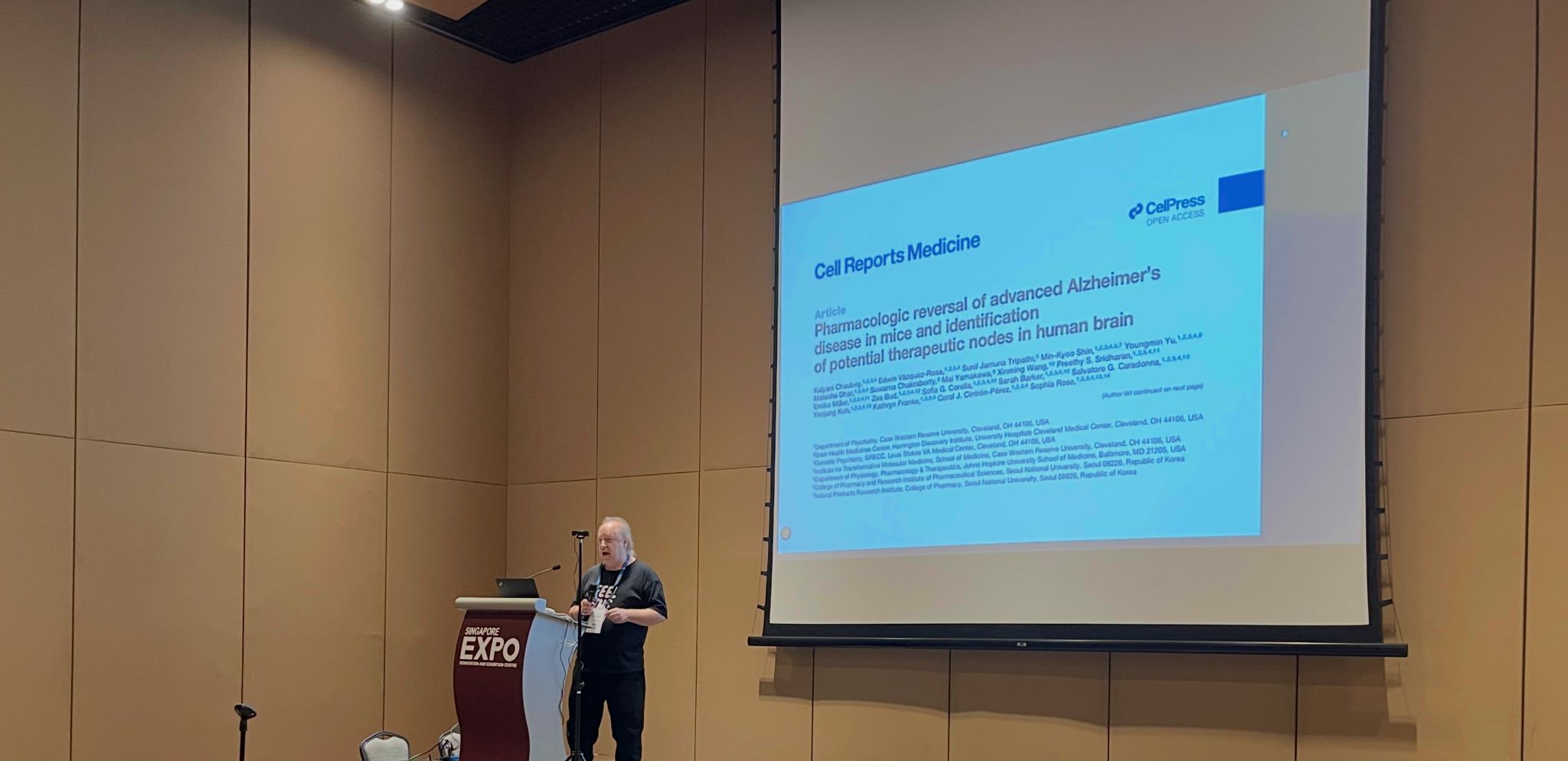
David Scott Lewis presenting the Cell Reports Medicine Alzheimer's reversal paper at AAAI-26 Singapore Expo
Cell Reports Medicine · January 2026 — David discussing the foundational Alzheimer's paper by Chauhan, Vázquez-Rosa et al. at AAAI-26, Singapore Expo — authors: Case Western Reserve University, Johns Hopkins, Seoul National University.

Published in Cell Reports Medicine (2025), researchers demonstrated that the P7C3-A20 compound — an NAD+ pathway activator — reversed cognitive decline, reduced amyloid plaques, and restored synaptic function in Alzheimer's mouse models. This is the foundational biology our AI tools are built to accelerate.

DOI: 10.1016/j.xcrm.2025.102535

Authors: Chauhan, Vázquez-Rosa et al., Case Western Reserve University et al. — This paper is not authored by AIXC. It is the foundational discovery our computational platform is built to build upon and accelerate.

20+ Bio Papers at World-Class Venues

Our Alzheimer's and bio research validated at the same conferences where Google DeepMind, Genentech, and Stanford publish. Our founder has been an AI researcher since the 1990s.

5
Drug discovery & Alzheimer's AI — AIDD & LMReasoning workshops. 1 oral presentation.
#4 Google Scholar · h5-index 212
Top AI conference since 1979. Same stage as OpenAI, DeepMind & Stanford AI Lab. 17,000+ researchers attend.
Official AAAI site →
5
Biomedical AI, drug discovery & world models workshops.
#2 Google Scholar · h5-index 304
World's premier deep learning conference. Fully open peer-review. Where Google Brain, Meta FAIR & Genentech AI publish.
Official ICLR site →
1
AI for Drug Discovery Workshop — computational biology focus.
#1 Google Scholar · h5-index 337
The world's most-cited AI conference. 15,000+ submissions, ~25% acceptance. Every major AI lab on Earth publishes here.
AI4D3 Drug Discovery Workshop →
3
Generative AI for molecular drug discovery — Alzheimer's targets.
ICLR-affiliated · inherits #2 world ranking
Workshop at ICLR 2026 focused on generative AI for experimental sciences and molecular discovery.
MLGenX workshop →
6
Applied AI for science — 2 oral presentations on Alzheimer's & cancer.
Peer-reviewed AI × Science
International AI for Science conference held in Ljubljana, Slovenia. Bridges AI with biology, chemistry & medicine. Rigorous peer review.
Conference site →
1
ML4Molecules Workshop — molecular drug discovery.
Europe's top AI research network
European Laboratory for Learning & Intelligent Systems — Europe's equivalent to MIT's AI Lab. Members include Yoshua Bengio (Turing Award).
ML4Molecules workshop →
1
Agents4Science Workshop — AI agents for scientific discovery.
Stanford University · Nobel laureate advisory
Hosted by Stanford University, one of the world's top research institutions. Workshop on autonomous AI scientists — the frontier of AI-driven discovery.
Stanford site →
Publishing alongside: Google DeepMind OpenAI Meta FAIR Microsoft Research Stanford MIT CMU
4 oral presentations — fewer than 2% of submissions receive this honor
Someone is diagnosed every 3 seconds

AI Infrastructure That Accelerates Every Lab

Built on 20+ peer-reviewed bio papers and production-deployed AI platforms. Our tools are designed so any lab on Earth can accelerate Alzheimer's research — no billion-dollar budget required.

Research partnerships · Tool development · Joint publications